Zambia Anaerobic Natural Misambo
A really "big" coffee in terms of overall intensity, fruit flavors and body. Fermented hints of berry kefir, kombucha, overripe orange, chocolate stout, with prominent bittersweetness in dark roasts. City to Full City+.
Out of stock
88.5
Full Cupping Notes
One whiff of the coffee from the grinder and the role anaerobic processing plays is pretty clear. The fragrance is intense with rustic sweetness and sticky dried fruit notes, with winey fermented accents mixed in. The wet aroma had notes of molasses, palm sugar, fermented strawberry, and pomegranate juice. It's a really "big" coffee in terms of overall intensity, and body. It's the kind of coffee sure to spark discussion with any coffee drinker, like a fruity dessert wine with strong, curious flavors. The fruit notes carry a fermented edginess to them in the light roasts, like berry kefir, tropical kombucha, and overripe oranges. At Full City/Full City+, bittersweetness plays more of an outsized role in the cup, but still yields a fruity side. Prominent features of dark cocoa, and rich bean to bar chocolate are accented by notes of plum, and unfiltered sake as it cools. There's also an interesting dark malt/yeast flavor in aroma that brought to mind chocolate stout beer. Just getting Zambian coffee is a rarity for us, and the fact that it's an anaerobic process method adds to our interest!
- Process Method Anaerobic Fermentation
- Cultivar Modern Hybrids
- Farm Gate No
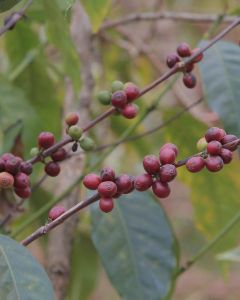
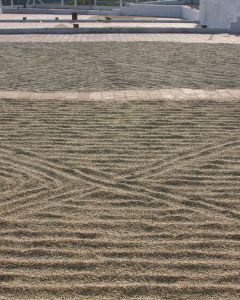
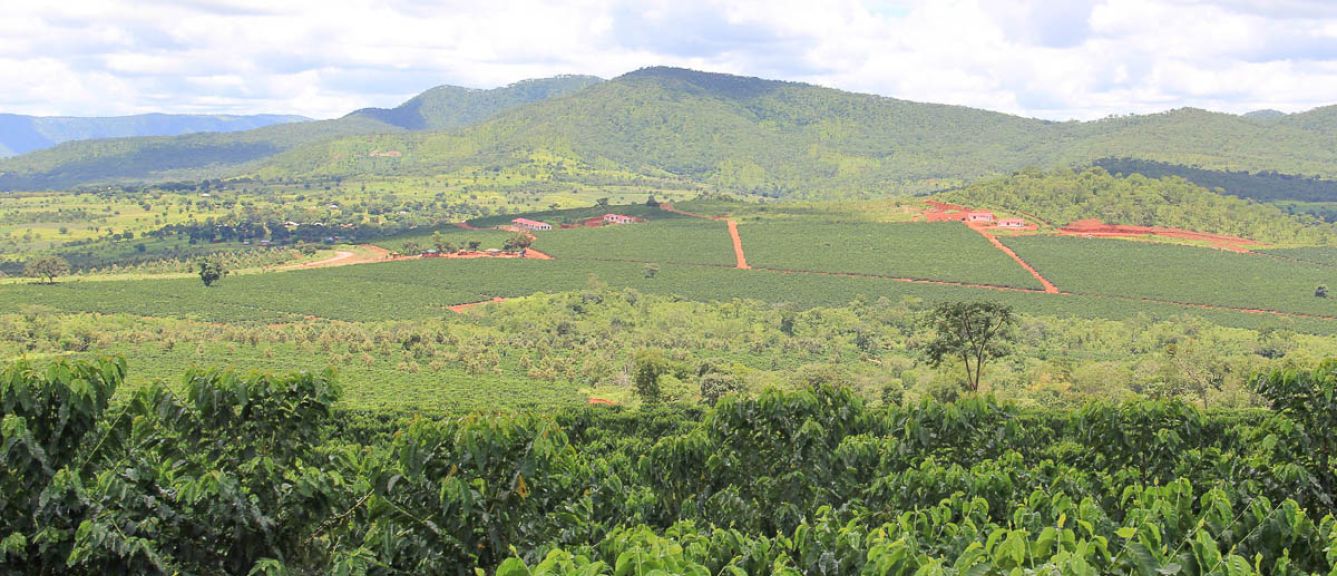
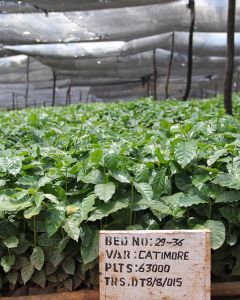
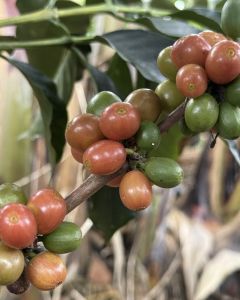
Zambia is not a coffee growing country we see many samples from. There is plenty of coffee being exported from the region, but their coffee-growing history is much younger than those that surround them. The first coffee was planted in Zambia in the 1950s, however, it wasn't until the last few decades that it became a major contributor to Zambia's agri-business sector. Kateshi is one of a cluster of coffee estates are very close to Misambo town, Kasama, in Zambia's Northern Province. Estates and "plantations" make up the bulk of coffees that are exported from Zambia. Altitude at Kateshi ranges from 1300 to 1500 meters above sea level. This is an anaerobic natural ("natural" = dry process), meaning the coffee cherry is stored in air tight canisters for a couple of days before then laying out to dry on the patio. In our experience, anaerobic process yields wild, and often funky, fruit flavors. Surprisingly, this is not the case with Kateshi! We found the fruit flavors to be pretty well-balanced for a natural (dry process), folded into the sweetness and underlying chocolate bittersweets. There are a lot of Catimor hybrid types grown in the region for disease resistance, which also happen to produce seeds that are quite large and would lend to the AAA grade (the largest grade).
| Region | Misambo, Kasama, Northern Province |
|---|---|
| Processing | Anaerobic Dry Process |
| Drying Method | Patio Sun-Dried |
| Arrival date | January 2026 Arrival |
| Lot size | 25 |
| Bag size | 60 KG |
| Packaging | GrainPro Liner |
| Cultivar Detail | Catimor |
| Grade | AAA and AA |
| Appearance | .8 d/300gr, 15+ Screen |
| Roast Recommendations | City to Full City+ |
You may also like ...


New Product Arrivals: