
Kenya Thika Karatu Peaberry
Brightly accented flavors with spiced sweetness underneath, hints of Cola, complimentary vanilla note, citrus, black currant, ginger chews, whole spices like star anise and mace in the finish. City to City+.
Out of stock
90.2
Full Cupping Notes
Karatu showed strong dark sugar smells in the ground coffee, with spice accents, and faint berry notes. After pouring hot water, a scent of unrefined brown sugars is raised in the steam, with accents of mulled grape juice, and an herbal-sweet note of spearmint. The cup at City roast level had complex sweetness that brings out profiles of soda, like cola, and the fruity side of Dr Pepper. There's also a very nice vanilla note that is complimentary to these flavors. Bright tones come through as the coffee cools, but aren't overpowering. I get citrus hints like blood orange, zested citrus peel, with some tart black currant. The cup aroma showed baking spice notes, ginger chew candy, and some star anise and mace in the aftertaste. I tried this coffee roasted to Full City too, and was left longing for the brighter, aromatic cup of my City roast. It still had a very nice grape note, but was a little too bittersweet for my taste. Ultimately, I don't recommend venturing beyond Full City, and will personally be sticking to City-City+ roasts (for me that falls somewhere between 12 to 15 F beyond the start of 1st Crack).
- Process Method Wet Process Kenya Type
- Cultivar Bourbon Types
- Farm Gate Yes
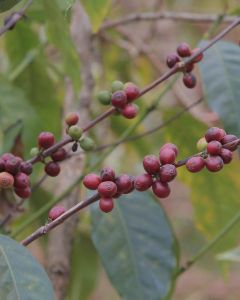
Karatu Coffee Factory is located near Gatundu town in Kenya's Thika District, Central Province. It was established in 1965, and membership is currently held in the nearby villages of Karatu, Gitwe, Kibiru and Kigaa Villages. Karatu is a "factory", in Kenyan terms, basically a cooperative wet mill that buys and sells the coffee of members. Factories generally supply more than just access to the coffee market, and Karatu offers additional programs including access to capital for farm reinvestment, and provides members with agronomical inputs. The Karatu site sits at around 1890 meters above sea level, and is strategically situated next to the Rwabura river where it is able to pump clean water for processing coffee. They've dug waste water pits where the water used for processing is directed and soaks into the soil instead of running off back into the river. This is the Peaberry selection, which only makes up a small portion of each harvest. We found this particular peaberry had pleasantly spiced sweetness, and interplay of sweetness and bright citrus notes.
| Region | Thika, Kiambu |
|---|---|
| Processing | Wet Process Kenya Type |
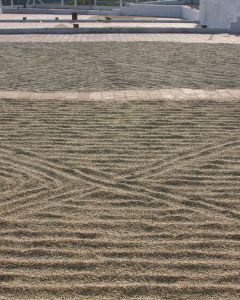
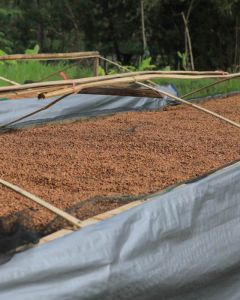
| Drying Method | Raised Bed Sun-Dried |
| Arrival date | May 2025 Arrival |
| Lot size | 12 |
| Bag size | 60 KG |
| Packaging | GrainPro Liner |
| Farm Gate | Yes |
| Cultivar Detail | SL-28, SL-34 |
| Grade | Peaberry |
| Appearance | .2 d/300gr, 15 Peaberry Screen |
| Roast Recommendations | City to City+ |
| Type | Farm Gate |
You may also like ...

New Product Arrivals: