Java Anaerobic Honey Gambung
A tamer anaerobic that strikes a nice balance between bittersweetness, body and acidity, with notes of natural sweeteners, dark cocoa, and herbal tea. City+ to Full City+. Good for espresso.
87
Full Cupping Notes
For Anaerobic coffee, this lot is on the tamer side in terms of fruit flavors in the cup, and a good reminder that there's quite a bit of variation under the process headings we use ("wet process", "dry process", "anaerobic", etc). The grounds smelled of complex dark sugars like molasses, date sugar, and toffee. The wet aroma also showed potent and sweet, dark caramel, brown sugar, unrefined piloncillo sugar, and crisp, caramelized accents. City+ roasts struck a nice balance between bittersweetness, body and acidity. The flavors showed elements of natural sweeteners, like corn syrup, barley malt, honey, and blackstrap molasses. It's far from a "bright" coffee, but has some herbal tea-like notes that give the cup a structured feel. As the coffee cools, bittersweet flavors of cocoa and dark chocolate bar come into play, and the finish is marked by accents of Sencha, and toasted barley. Overall, it's a very nice crowd-pleasing profile, and to me, shared many qualities with honey process Central American coffees. We didn't try a dark roast, but the bittersweet/body we experienced at City+ will work great at dark levels.
- Process Method Honey Process
- Cultivar Modern Hybrids
- Farm Gate Yes
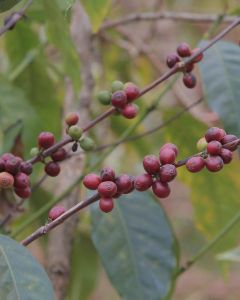
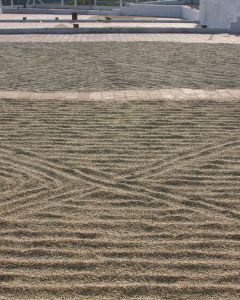
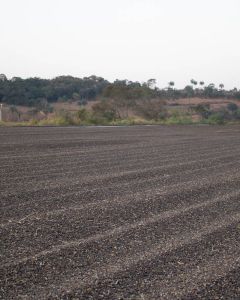
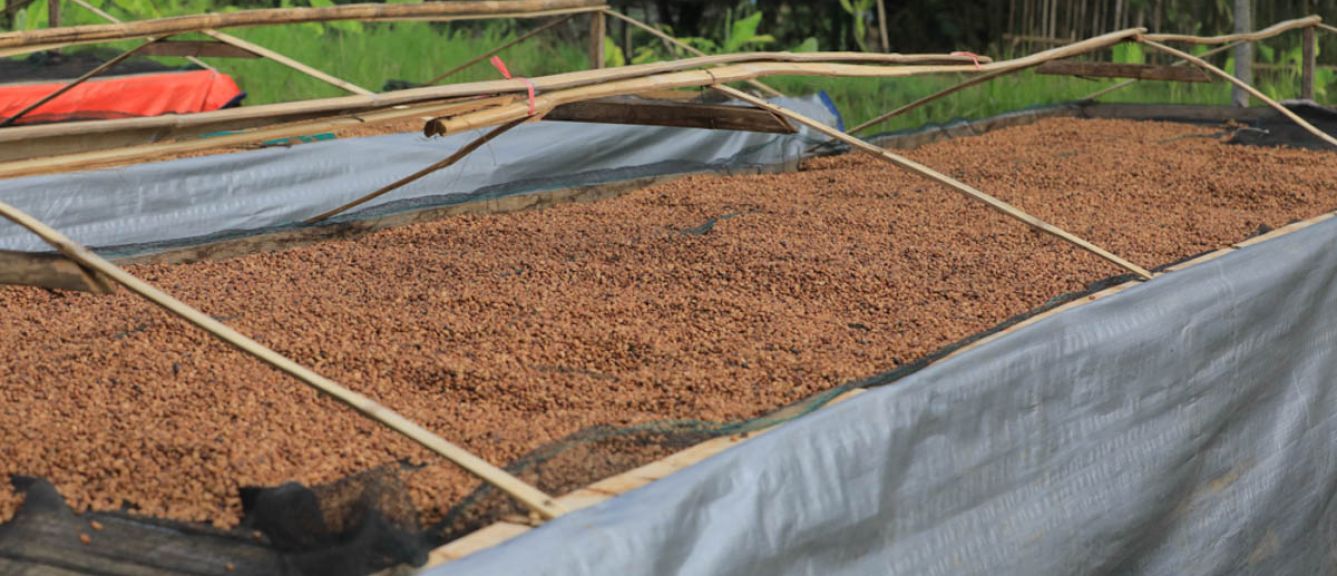
This coffee was processed at a mill in Gambung, who currently work with small farmers in villages near Ciwidey and Pangelengan on the Gunung Tilu pass. Most of the coffee grown is Ateng, a common disease-resistant hybrid, and planted between 1400 and 1700 meters above sea level. The mill provides technical and financial support to local farmers, as well as have seedling and compost programs. This is a newer site built during the harvest season last year. Their wet mill wasn't operational until the end of the season, so they opted to do two anaerobic lots during the peak of the harvest. This is a hybrid process of sorts called "Anaerobic Honey Process". The anaerobic part of the process involves fermenting the coffee cherries in sealed barrels with one-way valves for 5 days (120 hours). The drying time takes about 3 weeks, starting off on raised beds for the first few days, and finishing on cement patios. For anaerobic coffee, we found this lot to be more bittersweet forward than fruited, with thick, creamy body. The seeds are uneven in color, with some beans presenting yellowish, others a darker brownish hue. It also results in a lot more chaff when roasting, so be sure to vacuum your machine between batches on a Behmor!
| Region | Gambung Pangkalan, West Java |
|---|---|
| Processing | Anaerobic Fermentation, then Honey Process |
| Drying Method | Raised Bed Sun-Dried, and Patio Sun-Dried |
| Arrival date | Dec 2025 |
| Lot size | 30 |
| Bag size | 60 KG |
| Packaging | GrainPro Liner |
| Farm Gate | Yes |
| Cultivar Detail | Ateng, Typica |
| Grade | Grade 1 |
| Appearance | .7 d/300gr, 14+ Screen - wide range of bean sizes and peaberries mixed in |
| Roast Recommendations | City+ to Full City+ |
| Type | Farm Gate |
| Recommended for Espresso | Yes |
You may also like ...


New Product Arrivals: